
In Australia, there are differences in the qualifications, training, and scope of practice between psychotherapists, counsellors, psychiatrists, psychologists, and clinical psychologists. Here's a brief explanation of the differences:

|
|
|
In Australia, there are differences in the qualifications, training, and scope of practice between psychotherapists, counsellors, psychiatrists, psychologists, and clinical psychologists. Here's a brief explanation of the differences:
0 Comments
 We are living in a time of great uncertainty. Life as we know it is being upended by coronavirus. You may be afraid of losing your job, of not being able to pay the rent or mortgage, of your elderly parents becoming ill ... of yourself becoming more isolated, more anxious, more depressed, more angry - and finding you have no way to deal with it.
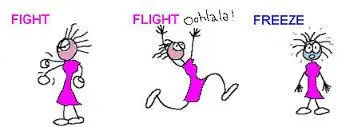 There are so many things that are confusing about the behaviour of people during the coronavirus period. People are acting in ways that others don't understand, or are critical of. There seems to be no logic or explanation for their behaviour. In fact, you may be struggling to remain logical yourself, and find yourself being driven by emotions of rage, fear, or are just shutting down from it all. Here's what's going on.
 The Coronavirus pandemic has brought a wave of complexity and difficulty into regular life. It's like a wrecking ball has destroyed a building we all thought was stable and would endure. The stress that comes as a result is real, and we have little choice other than to learn how to cope with it.
Here are some tips to get started.  It's such a common phrase as people try to take advantage of a New Year to attempt a change in their lives. Perhaps you're attempting just that, or trying for the umpteenth time to make a change but fear that once again you'll fail. Do you undermine your own chances? Do you doubt your ability to change? Or perhaps you're really not all that willing to change but like to be seen to make the effort? What really gets in the way, and how can you make the changes you'd like to make?
2018 was a year that many people found that the world they inhabit is hard to live in, and wisely turned to therapy to help them navigate the world we have created. This beautiful song beautifully illustrates how we can all assist our friends to get through. Lyrics on the next page:
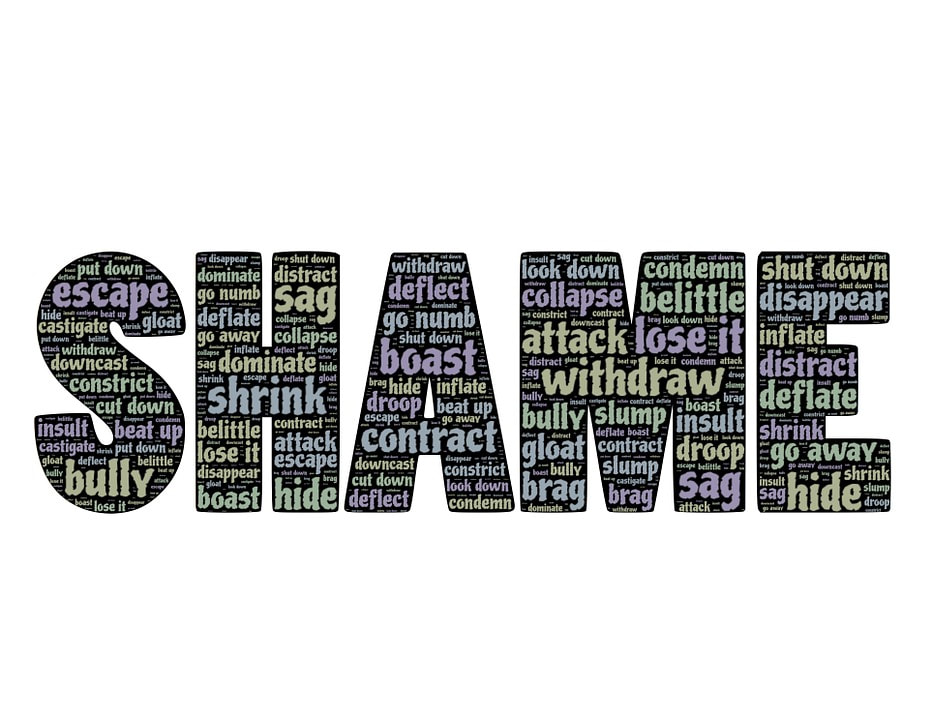 Shame is present to a certain extent in most of our lives. It's an integral part of being human, of being social entities striving to belong to the group. If our behaviour steps outside of what we think the group wants us to think, see, or feel, then our automatic reaction is shame. In most cases, we learn from these experiences, talk about them with other people, and move on with our lives having learnt a lesson. But there are certain situations that cause shame to bury deep out of sight, affecting how we think about ourselves, and how we live in the world.
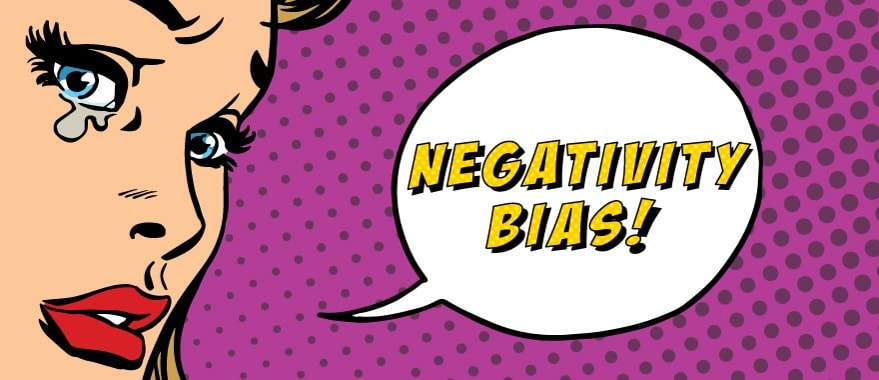 Negative events tend to stick with us, like barnacles to the bottom of the ship, sticking with us as we journey through life. Things that we know at the time that are not very important, not very meaningful, and probably not about us at all, can raise their heads in our thoughts again and again and again. Another kid in class telling us we're too skinny/fat/dumb etc can stay around well past its use-by date. But why? Can we overcome these thoughts?
 The end of the year is a time when many people are able to switch off from many of the stresses of the rest of the year. Wouldn't it be great if we could start the New Year better equipped to deal with stress, and gain the upper hand? Not only is it possible, but you may already be doing it! How do you understand and manage your stress?
 The Australian Psychological Society has published their "8 tops for thriving in the digital age." It's a helpful and practical guide to helping navigate the complicated and sometimes distressing needs of social media.
 Depression is not simply feeling sad, and not something that people can just "get over" or snap out of. It's an overwhelming self-loathing that saps energy, joy, and hope. Here are some points to help understand more about people who are depressed.
Anxiety is an insidious feeling that takes many forms, from a reluctance to go out socially, to a self-censoring internal dialogue that hold you back, preventing you from moving forward in your life. It's also highly treatable. You can gain control in your life. You can be happy.
This is an accurate video written, acted, directed & edited by Ton Mazzone. 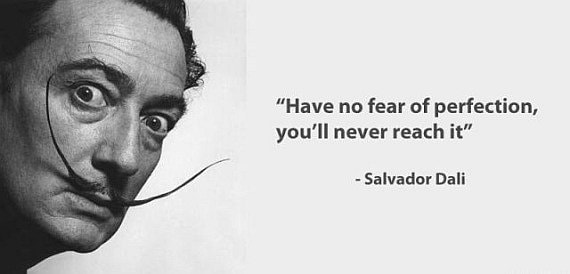 Perfectionism is something I see a lot as a therapist. While high standards and operating at your best are worthwhile goals, perfectionism can be a major impediment to living your life as you would prefer.
 "Anger comes fast, often unanticipated and always unwelcome. It operates without logic, with no concern for consequences. It damages things, relationships, and sometimes even people. It leaves me feeling ashamed of myself. Worthless. What's worse, I'm even too weak and useless to control it."
Does this sound familiar?  Do you often find yourself saying "sorry?" Do many of your daily interactions involve apologising for what you think you may have done? Of course, being aware of where we impinge on others as we move through our day is a vital part of the cohesion of society, but there's a way to do it that is a powerful shortcut to happiness.
|
Author
Chris is a Counsellor and Psychotherapist at Engage Counselling, Sydney Archives
April 2023
Categories
All
|
 RSS Feed