
Image: Sebastian Staines / Unsplash
When something overwhelms us, the nervous system has two ways out, up into alarm, or down into shutdown. Between them is a band where you can still think and still feel. The work is to widen it.

|
|
|
Image: Sebastian Staines / Unsplash
When something overwhelms us, the nervous system has two ways out, up into alarm, or down into shutdown. Between them is a band where you can still think and still feel. The work is to widen it.
0 Comments
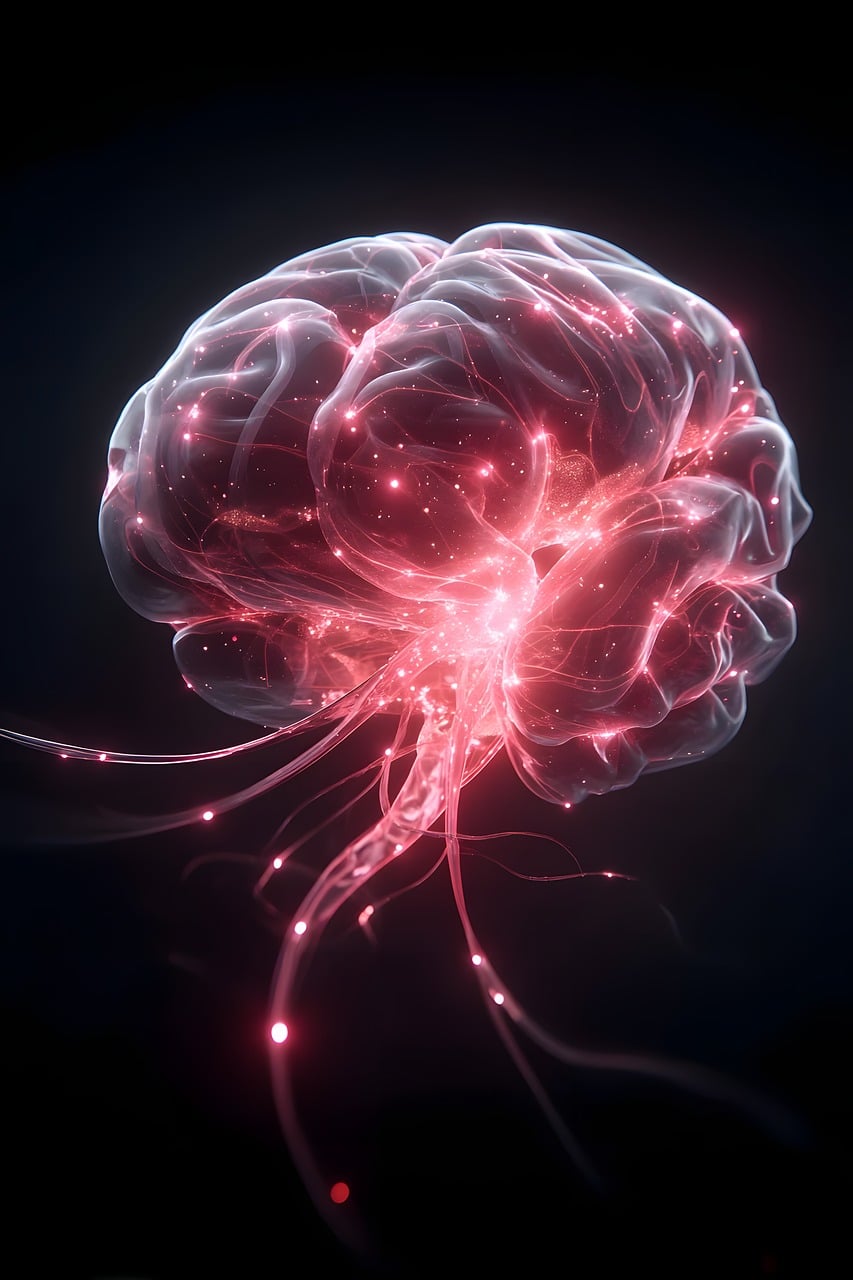
Image: Kyraxys / Pixabay
There is a moment, in fear, when you stop being the one deciding what you're doing or saying. The body has already moved. Your mouth has said things you didn't mean. Your thinking only catches up afterwards, often confused about what just happened. Data floods into us without pause, through every sense at once: sight, sound, smell, taste, touch, and the "spidey sense," the felt sense from your body. All of it funnels up through the brain stem, the oldest part of the brain, the part we share with everything on the planet, including reptiles. Sitting in there is a small structure called the amygdala, and the simplest way to think about it is as a smoke alarm. What it does next, and why, is worth understanding properly. You may have heard of Occam's razor. How about Occam's broom? Bear with me as I attempt to link how these concepts apply to anxiety, confirmation bias, and psychotherapy. 
Photo: Amir Moharrami / Unsplash
For decades, if you went to your GP feeling down or depressed, you were probably told some version of the same thing: that your brain had a chemical imbalance, probably involving serotonin, and that medication would correct it. It was a convenient explanation that seemed to make sense, and so it stuck. By the early 2000s it had moved from clinical shorthand into everyday language, the kind of thing that people took as a given when discussing mental health. But we now know that the evidence never really supported it. 
Photo: Rod Ramsell / Unsplash
My digital spaces have recently been swamped by ads and testimonials for lion's mane extract, and claims of significant benefits to those living with complex trauma. For people in that situation, some of those claims will sound particularly appealing: better memory, reduced anxiety, clearer thinking; a brain that just works better. This post is an attempt to look at it as objectively as I can. 
Photo: chris paul / Unsplash
If you're in therapy — or thinking about starting — you may have wondered why healing feels so different for different people. Why some people seem to be finding their way back to themselves, while others feel like they're building something they've never quite had. One of the reasons for this has to do with when trauma first began. Understanding this difference won't speed up your healing. But it might help you be more patient, and more compassionate, with yourself. |
Author
Chris is a Clinical Counsellor and Psychotherapist at Engage Counselling, Sydney Archives
August 2026
Categories
All
|
 RSS Feed