
Image: Sebastian Staines / Unsplash
When something overwhelms us, the nervous system has two ways out, up into alarm, or down into shutdown. Between them is a band where you can still think and still feel. The work is to widen it.

|
|
|
Image: Sebastian Staines / Unsplash
When something overwhelms us, the nervous system has two ways out, up into alarm, or down into shutdown. Between them is a band where you can still think and still feel. The work is to widen it.
0 Comments
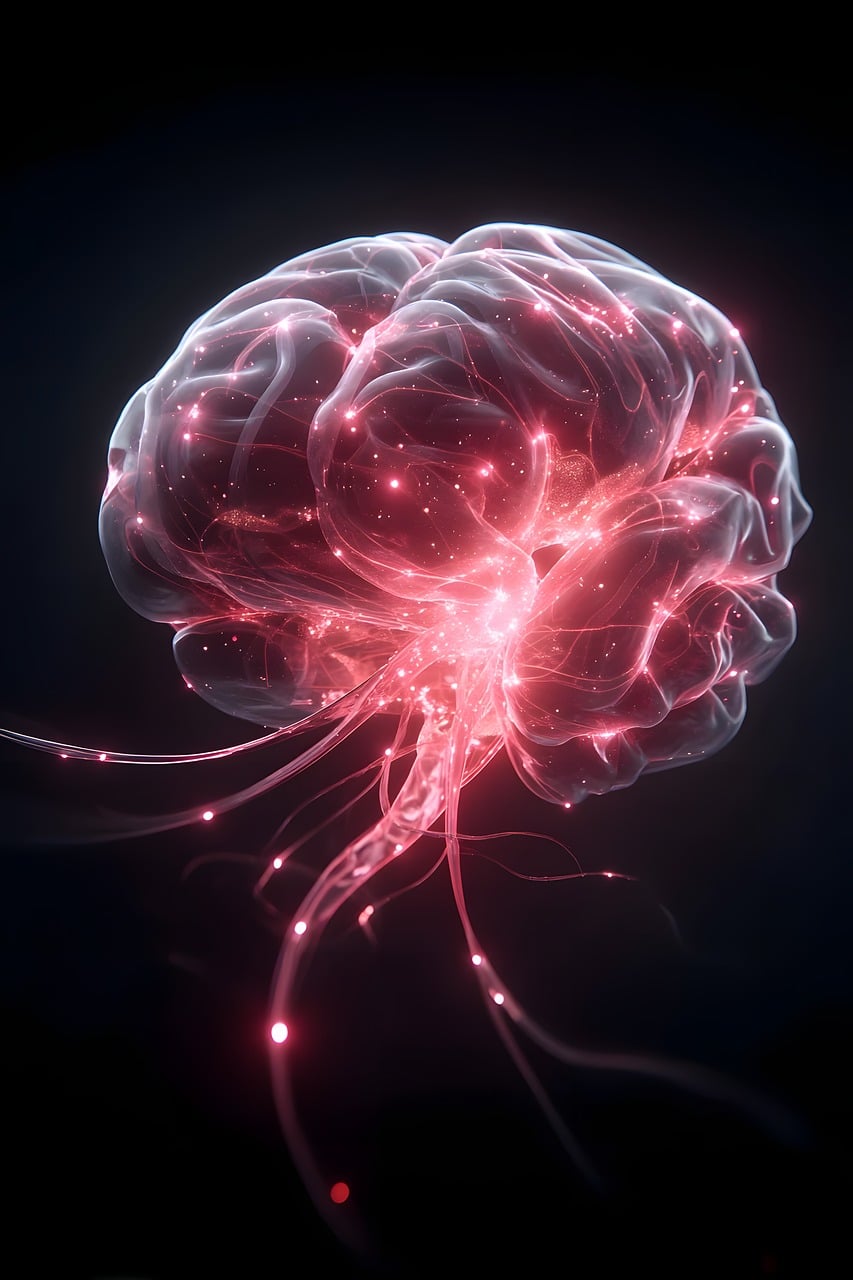
Image: Kyraxys / Pixabay
There is a moment, in fear, when you stop being the one deciding what you're doing or saying. The body has already moved. Your mouth has said things you didn't mean. Your thinking only catches up afterwards, often confused about what just happened. Data floods into us without pause, through every sense at once: sight, sound, smell, taste, touch, and the "spidey sense," the felt sense from your body. All of it funnels up through the brain stem, the oldest part of the brain, the part we share with everything on the planet, including reptiles. Sitting in there is a small structure called the amygdala, and the simplest way to think about it is as a smoke alarm. What it does next, and why, is worth understanding properly. |
Author
Chris is a Clinical Counsellor and Psychotherapist at Engage Counselling, Sydney Archives
August 2026
Categories
All
|
 RSS Feed